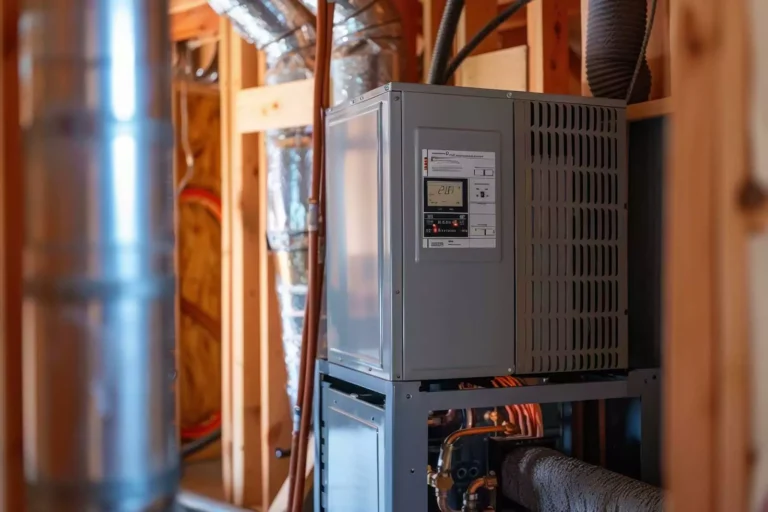

Understanding Heat Recovery Ventilation Systems
Heat recovery ventilation represents one of the most intelligent solutions for maintaining healthy indoor air quality while conserving energy in modern homes. At Wilson Brothers Heating, Air Conditioning, and Electrical, we specialize in designing and installing these sophisticated systems that capture heat from stale exhaust air and transfer it to fresh incoming air. This process ensures your home receives constant fresh air ventilation without sacrificing the warmth you’ve already paid to generate. The technology works through a heat exchanger core where outgoing and incoming air streams pass by each other without mixing, allowing thermal energy transfer while maintaining separate air pathways.
The importance of proper ventilation cannot be overstated in today’s tightly sealed homes. Modern construction techniques and improved insulation materials create energy-efficient buildings, but they also trap pollutants, moisture, and stale air inside. Heat recovery ventilators address this challenge by providing controlled ventilation that removes indoor pollutants like volatile organic compounds, excess humidity, and carbon dioxide while recovering up to 95 percent of the heat that would otherwise be lost through traditional exhaust ventilation. Our team has been the area’s first choice for the installation and repair of heating and cooling systems for residential homes in Northern Massachusetts and Southern New Hampshire, and we’ve witnessed firsthand how these systems transform indoor environments.
How Heat Recovery Ventilation Works
The core component of any heat recovery ventilation system is the heat exchange module, typically constructed from aluminum or specialized polymer materials designed to maximize thermal transfer efficiency. As warm, stale air from bathrooms, kitchens, and living spaces moves through the system toward the exhaust outlet, it passes through hundreds of small channels within the heat exchanger. Simultaneously, cold fresh air from outside travels through adjacent channels in the opposite direction. The thin walls separating these channels allow heat transfer without the air streams mixing, warming the incoming air to near room temperature before it enters your living spaces.
The system operates continuously at low speeds, typically moving between 50 and 200 cubic feet of air per minute depending on home size and occupancy. Advanced models incorporate variable speed motors that adjust ventilation rates based on humidity sensors, carbon dioxide monitors, or programmable schedules. During summer months, many units include a bypass damper that routes incoming air around the heat exchanger when outdoor temperatures are cooler than indoor temperatures, providing free cooling. Some systems also feature summer heat exchange modes that pre-cool incoming warm air by transferring its heat to the cooler exhaust stream, reducing the load on your air conditioning system.
Benefits and Energy Savings
Installing a heat recovery ventilation system delivers measurable improvements in both comfort and energy efficiency. Homeowners typically experience 20 to 30 percent reductions in heating costs compared to homes using traditional exhaust-only ventilation. The balanced air pressure these systems maintain prevents cold drafts near windows and doors while eliminating the negative pressure that can draw combustion gases back down chimneys or pull radon from basements. Together as a team, we are committed to delivering exceptional customer service along with our highest-rated, energy-efficient heating and cooling equipment all backed by our exclusive warranties and service for Comfort+Plus Members.
Beyond energy savings, these systems provide substantial health benefits by maintaining optimal humidity levels between 30 and 50 percent, reducing the likelihood of mold growth, dust mites, and respiratory irritants. The constant supply of filtered fresh air helps alleviate symptoms for allergy and asthma sufferers while preventing the buildup of household odors and chemical off-gassing from furniture, carpets, and cleaning products. Studies indicate that homes with proper ventilation show 50 percent lower concentrations of indoor air pollutants compared to unventilated or poorly ventilated structures.
Installation Considerations and Requirements
Proper installation requires careful planning to optimize system performance and minimize installation costs. The heat recovery unit itself typically mounts in an unconditioned space like an attic, basement, or mechanical room, requiring approximately 30 square feet of accessible space for the unit and associated ductwork connections. Supply ducts deliver fresh air to bedrooms, living rooms, and other occupied spaces, while exhaust ducts remove stale air from bathrooms, kitchens, and utility areas. The ductwork design must maintain balanced airflow throughout the home, requiring precise calculations based on room volumes and occupancy patterns.
- Electrical requirements: Most residential units require a dedicated 120-volt circuit with 3 to 5 amp draw
- Ductwork specifications: Insulated rigid or flexible ducts sized for minimal pressure drop and noise
- Control systems: Wall-mounted controllers with humidity sensors and programmable scheduling
- Filtration options: MERV 8 to 13 filters for incoming air purification
- Drainage provisions: Condensate drains for moisture removed during heat exchange
Maintenance and Long-Term Performance
Maintaining optimal performance from your heat recovery ventilation system requires regular but straightforward maintenance procedures. The heat exchanger core needs cleaning every three to six months, depending on local air quality and system usage. This involves removing the core module and rinsing it with warm water or vacuuming accumulated dust. Filters require replacement or cleaning every one to three months, with washable filters offering cost savings over disposable options. Annual professional inspections ensure dampers operate correctly, motors run efficiently, and control systems function properly.
Wilson Brothers Heating, Air Conditioning, and Electrical provides comprehensive maintenance programs that extend system lifespan while maintaining peak efficiency. Regular maintenance prevents the gradual efficiency decline that occurs when heat exchanger surfaces become coated with dust and debris. Properly maintained systems typically operate for 15 to 20 years, with motor bearings and control boards representing the primary replacement components over this timespan. Our service technicians can also perform air balancing procedures to ensure each room receives appropriate ventilation rates as household usage patterns change over time. The expertise we bring ensures that your investment in heat recovery ventilation continues delivering comfort you can count on and service you can trust throughout its operational life.
